Cape Verde’s World Cup 2026 debut is the underdog story football fans deserve. Follow the Blue Sharks from island roots to the global stage.

The Blue Sharks Are Coming: Cape Verde’s World Cup 2026 Debut Is the Football Story You Need to Know

By the end of this guide, you’ll understand exactly why the cape verde world cup 2026 debut story blue sharks is generating more emotional heat than almost any qualification story on the continent right now. You’ll know where this team came from, what they had to overcome, who carries the goals, and what the group stage draw actually means for a nation of roughly 600,000 people standing toe-to-toe with football giants. This is for the football fan who wants more than headlines — who wants context, texture, and truth.
A Nation Built on Ocean Winds, Not Football Infrastructure
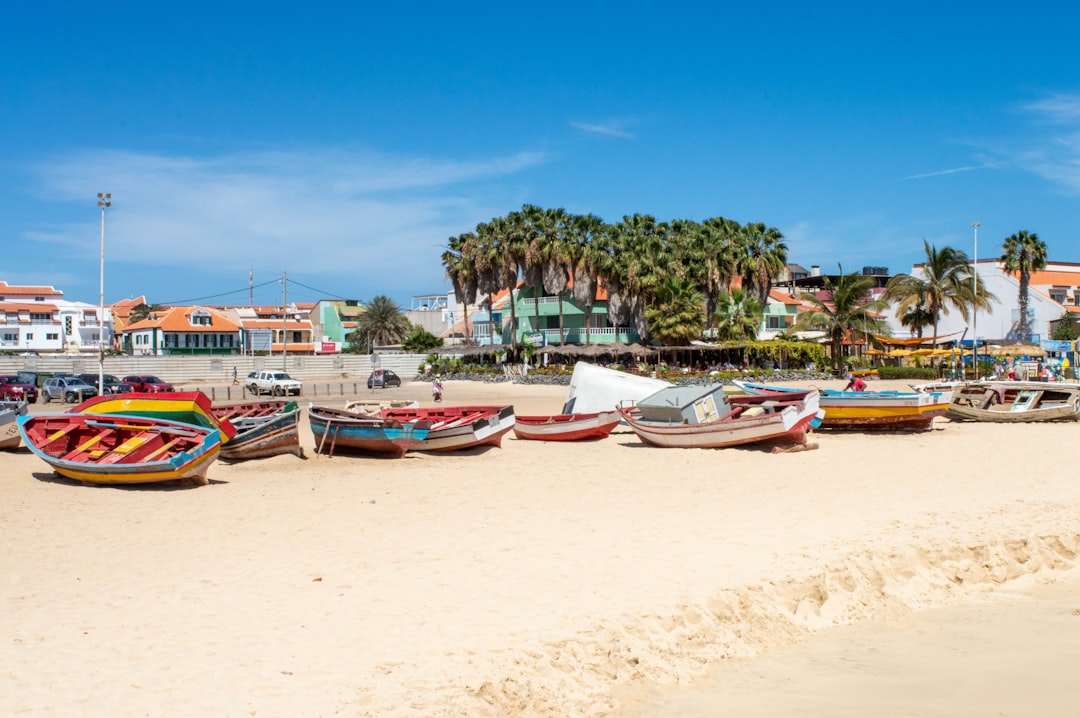
Cape Verde is ten volcanic islands scattered in the Atlantic, roughly 570 kilometres off the Senegalese coast. No rivers. Limited flat land. A diaspora outnumbering the home population. And for most of the twentieth century, no serious football infrastructure to speak of either.
The Federação Caboverdiana de Futebol wasn’t even affiliated with FIFA until 1986. That’s not ancient history — players who made the 2026 qualifying squad were born the same decade their football federation was finding its feet on the global stage. Everything this programme has built, it has built fast, lean, and with an almost stubborn refusal to accept limitations.
The diaspora factor is enormous here. A huge proportion of the national squad plays club football in Portugal, the Netherlands, and across southern Europe. Players like Garry Rodrigues built careers abroad because the domestic league simply couldn’t provide the development pathway. That dual identity — island roots, European formation — became the team’s tactical fingerprint.
From AFCON Knockouts to the World Stage: How the Blue Sharks Sharpened Their Teeth
The Africa Cup of Nations was where Cape Verde first announced themselves as a genuine continental force, not a feel-good story. Their 2013 AFCON run — reaching the quarter-finals in their first-ever appearance at the tournament — wasn’t luck. It was organisation, defensive discipline, and the kind of collective hunger you simply cannot coach. They beat Morocco in the group stage. Angola too. A football fan watching that tournament saw something click into place.
They backed it up. The 2021 AFCON edition (played in 2022) saw them progress from a tough group before an agonisingly narrow exit. Each tournament sharpened the squad’s ability to handle high-pressure knockout environments. That experience matters more than any friendly when you’re talking about World Cup group stage nerves.
The cape verde world cup 2026 debut story blue sharks Begins in Qualifying Hell
African World Cup Qualification: The Brutal Road Through CAF
The Decisive Moments That Sealed It
Qualification for a first-ever World Cup is not a statistic. It’s a before-and-after moment in a nation’s sporting identity.
The Players Carrying an Entire Archipelago’s Dreams
Garry Rodrigues remains the most recognisable name internationally — wiry, technically sharp, capable of the unpredictable — but this squad runs deeper than one player. Ryan Mendes offers width and directness. Stopira anchors the defensive structure with the kind of quiet authority that only comes from years of top-flight European football.
The goalkeeper situation is worth watching closely. Vozinha has been reliable in big moments, but the competition for that jersey reflects how far the talent pool has grown. (Honestly, the depth at goalkeeper for a nation this size is remarkable — even seasoned scouts have raised eyebrows.)
Up front, the mix of experience and emerging talent from the Portuguese second division and Primeira Liga creates interesting attacking combinations. Head coach Bubista has consistently preferred tactical flexibility over individual brilliance — a system where pressing triggers are drilled, not improvised.
What This Qualification Actually Means — Beyond the Football
Let’s be direct about something most match previews skip over. For a small island economy where remittances and tourism anchor GDP, a World Cup appearance is a cultural and economic event, not just a sporting one. The visibility alone — Cape Verde’s flag on screens across 200+ countries — is the kind of national branding that no government tourism budget could replicate.
Reading the Group Draw: Where Cape Verde Actually Stand
Could they nick a result? Yes. Is it likely against top-five ranked opposition? Probably not. But football has never really cared about probability on the day. That’s exactly why we watch.
Why Every African Football Fan Should Be Watching Group Stage Day One
There’s a version of this story that ends after ninety minutes of the opening group game with a heavy defeat and polite applause. That version is possible. But it’s not the only version.
The cape verde world cup 2026 debut story blue sharks is about more than results — though results matter enormously and no one should pretend otherwise. It’s about what sustained continental competition does to a programme. It’s about coaches making decisions on the biggest stage with the calmness that only AFCON knockout experience provides. It’s about players who grew up watching the World Cup from living rooms in Mindelo and Praia, now walking out in those tunnels themselves.
African football fans have seen this before — Senegal 2002, Ghana 2010, Cameroon 1990. The first World Cup appearance of a programme that has genuinely earned its place. The Blue Sharks have earned this. Loudly and without apology.
Quick-Reference Summary: Everything You Need in One Place
- Founded/FIFA affiliation: Cape Verde joined FIFA in 1986 — late to the table, fast learners.
- Key AFCON results: Quarter-final debut in 2013; consistent knockout-round presence since 2021.
- Qualifying route: CAF’s expanded nine-berth format; Cape Verde navigated a tough group with defensive resilience and counter-attacking efficiency.
- System: Compact 4-4-2/4-5-1 defensive block under coach Bubista, rapid transitions, high-energy pressing triggers.
- Key players to watch: Garry Rodrigues, Ryan Mendes, Stopira, Vozinha.
- Group stage expectation: Tactical discipline over possession; counter-attack as primary weapon; any point should be celebrated as earned.
- Cultural weight: First-ever World Cup appearance for a nation of roughly 600,000 — diaspora and home crowd united for the first time on the planet’s biggest sporting stage.
- The real story: This isn’t a consolation narrative. This is a programme that built something real, continent by continent, tournament by tournament.
Frequently Asked Questions
Is 2026 really Cape Verde’s first-ever World Cup appearance?
Yes, the 2026 FIFA World Cup in the United States, Canada, and Mexico marks Cape Verde’s historic first qualification for the tournament. Despite consistent AFCON performances and a growing continental reputation, this is the first time the Blue Sharks have broken through to the global stage.
Who are the key players in Cape Verde’s 2026 World Cup squad?
Garry Rodrigues is the best-known name internationally, with experience in Turkish and Portuguese top-flight football. Ryan Mendes provides attacking width, while defender Stopira brings European top-division experience to anchor the backline. Goalkeeper Vozinha has been crucial in high-stakes qualifying matches.
How did Cape Verde qualify for the 2026 World Cup?
Cape Verde qualified through the CAF (Confederation of African Football) World Cup qualifying competition, which awarded nine berths to African nations for the expanded 48-team 2026 tournament. They progressed through group stage matches across 2023–2025, relying on their trademark defensive shape and quick counter-attacking play.
What group is Cape Verde in at the 2026 World Cup?
Cape Verde’s specific group assignment was confirmed following the official FIFA 2026 World Cup draw. Football fans can check the latest group details directly on the FIFA official website for confirmed fixtures, match dates, and venues for the Blue Sharks’ debut campaign.