

The Australian Open is the sport’s annual chaos machine: blazing heat, quick courts, loud nights on Rod Laver Arena, and the special kind of pressure that arrives when you realize the season is brand new… but a Slam title is already on the table.
In Australian Open 2026, the “who wins it?” conversation feels unusually concentrated at the top on both tours—yet Melbourne has a habit of turning one bad set, one hot afternoon, or one fearless opponent into a full-on plot twist. The good news: if you’re a tennis fan, this tournament is stacked with matchups worth planning your sleep schedule around.
Below is a fan-first guide to potential winners and the right players to follow, with the latest tournament context and seeding in mind.
Why the Australian Open hits different
Fast courts, heat, and pressure moments
Melbourne rewards clean first-strike tennis—big serving patterns, sharp returns, and the ability to finish points without overcooking. Add the Australian summer (and indoor roof dynamics when it’s brutal), and the event becomes as much about decision-making under stress as it is about forehands.
What wins in Melbourne
In plain fan terms, the champions usually bring:
- Serve + first ball authority (free points matter)
- Return pressure (especially on second serves)
- Tie-break composure
- Recovery across long, physical rallies and short turnarounds
Men’s singles: the title picture
The top-tier favorites
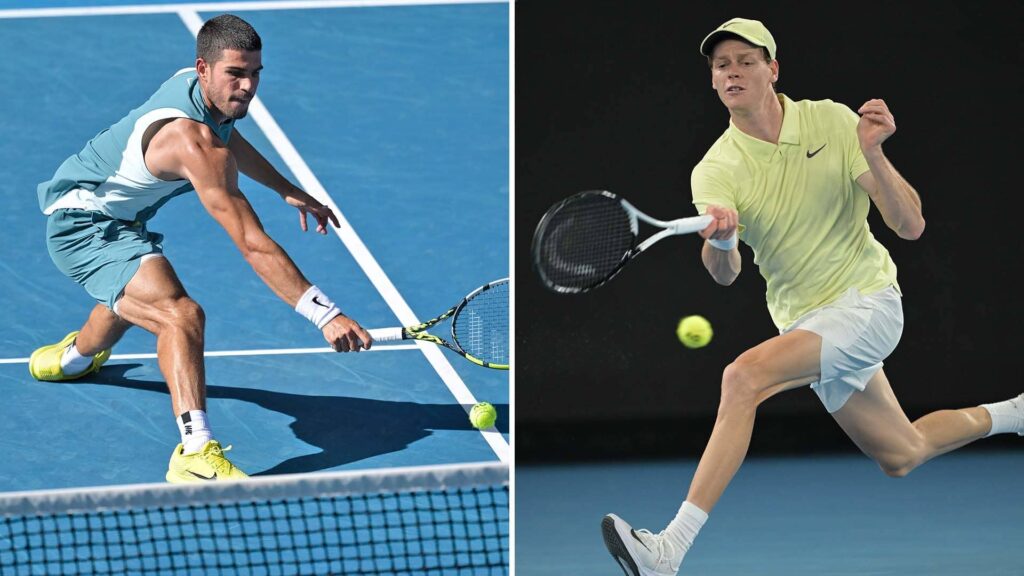
If you’re picking a “most likely champion” shortlist, two names dominate the conversation:
- Jannik Sinner – He entered Melbourne as two-time defending champion and has been installed as the betting favorite to win the title.
- Carlos Alcaraz – The top seed on the men’s side, with the draw structure set up so he and Sinner can only meet in the final if they both keep winning.
This is the “speed chess” rivalry of the moment: Sinner’s controlled power and baseline discipline versus Alcaraz’s creativity, athletic defense-to-offense flips, and willingness to take risk at key moments.
The big threats in week two
After the top two, the names that still carry “I can win seven matches here” energy:
- Novak Djokovic – Seeded high again and always a Melbourne storyline (and problem) for everyone else.
- Alexander Zverev – A top seed who can serve his way through tough stretches if his forehand holds up under return pressure.
- Alex de Minaur – The home hope is into the second week and set for a marquee test against Alcaraz—exactly the kind of “can he level up?” match that defines a career.
Dark horses who can blow up the bracket
These are the guys who might not be your first pick to lift the trophy, but can absolutely detonate a section of the draw:
- Ben Shelton – A serve-and-attack vibe that plays in Melbourne, and he’s earned a quarterfinal with Sinner after beating Casper Ruud.
- The fearless young-gun lane – If you love discovering the “next problem,” the 19-year-old breakout chatter has been loud around João Fonseca (fitness permitting).
Who should fans follow on the men’s side?
If you want maximum entertainment per minute: Alcaraz (shotmaking), Shelton (serve + swagger), de Minaur (speed + crowd energy), and Sinner (machine-mode baseline control).
Women’s singles: the contenders who can take it
The power favorites
The women’s side has a clear top tier too:
- Aryna Sabalenka – The top seed and widely viewed as the favorite, with strong recent Australian Open form.
- Iga Świątek – World No. 2 and rolling into the quarterfinals, chasing her first AO title and that “career Slam” conversation.
Sabalenka’s advantage is obvious: raw pace that rushes opponents on quick courts. Świątek’s edge is different: patterns, movement, and the ability to turn defense into structured offense without panic.
The “bad matchup” players nobody wants
- Elena Rybakina – The kind of clean ball-striker who can make elite defenders feel late. She’s lined up to face Świątek in the quarterfinals, which is as high-quality as it gets.
- Coco Gauff – Still one of the most dangerous athletes in the draw, especially when her serve + forehand click in rhythm.
Dark horses and chaos agents
On the women’s side, the “dark horse” concept is often “a player who catches fire for two weeks.” If you like watching momentum build, keep an eye on anyone stacking straight-set wins and dominating return games—those are the tournament’s truest signals.
Also worth noting: reports from the second week highlighted how many top seeds are still standing, which tends to produce heavyweight matchups late.
Matchups to circle and storylines to follow
Quarterfinal collisions and style clashes
A few tasty ones already on the radar:
- Alcaraz vs de Minaur: shotmaking and power vs speed, counterpunching, and home-crowd electricity.
- Sinner vs Shelton: baseline control vs explosive serving and net instincts.
- Świątek vs Rybakina: movement/patterns vs first-strike purity.
Heat management, serving runs, and tie-break nerves
In Melbourne, the “hidden” match can be between a player and their own execution under physical stress. Watch for:
- second-serve protection
- return positioning changes
- dips in footwork intensity late in sets
- the first tight tie-break (it often predicts the whole match)